
Are you designing a new product or component design? One challenge designers and engineers can face is when it comes to turning their CAD designs to a manufacturable mould tool. A question we come across is – when should you involve an injection mould toolmaker in your product design?
The simple answer is, as early as possible. When the design is still flexible that’s the best opportunity to introduce changes to improve manufacturability and simplify the eventual mould tool. When a design is already set in stone, or even steel having already been cut, changes can be trickier and more expensive to negotiate.
If you’ve already developed your CAD or are even further into the tooling process, there’s still value in getting manufacture right. In this article we’ll run through some scenarios at what stages you can get a tooling specialist involved and what that looks like.
Stages a toolmaker can get involved
Can I involve a toolmaker before I have a finished CAD design?
Absolutely, this can be the most valuable time to get manufacturing input.
At this point maybe you have an idea or a concept that hasn’t been turned into a complete 3D CAD model yet. This is where early involvement from a tooling specialist gives you an opportunity to consider how the part will eventually be manufactured before too many final design decisions have been made.
At this stage we might advise on:
- Material selection – understanding the intended polymer and how material choice could influence the component design and mould tool.
- Basic manufacturability – identifying features that may eventually affect how the component is moulded.
- The manufacturing process itself – considering whether injection moulding is appropriate for the component, expected volumes and requirements.
What if I already have a 3D CAD design?
Perhaps your concept has progressed from a concept into a 3D CAD model, but the design has not yet been finalised. Here it is useful to introduce manufacturing input from a moulder while adjustments can still be made relatively easily.
A tooling specialist can now review the component’s manufacturability and potential tooling requirements in more depth:
- Wall thickness
- Draft angles
- Radii
- Undercuts
- Potential parting lines
- Ejection requirements
- Dimensional tolerances
- Material selection
At this point, we may advise whether prototyping is suitable for your project.
A physical prototype is a great way to test form, fit and basic function of your part and it can be a cost-effective way of troubleshooting a new part design by preventing potential complications later in the project. Depending on what needs to be validated, this could involve rapid prototyping or potentially a prototype mould tool using the intended production material.
My part design is ready to go – is it too late to get a toolmaker involved?
No. If your component design is complete but tooling manufacture hasn’t started, there’s still an important opportunity to review it.
At this stage, the emphasis moves from developing your component to verifying the manufacturability of it and establishing a tooling strategy.
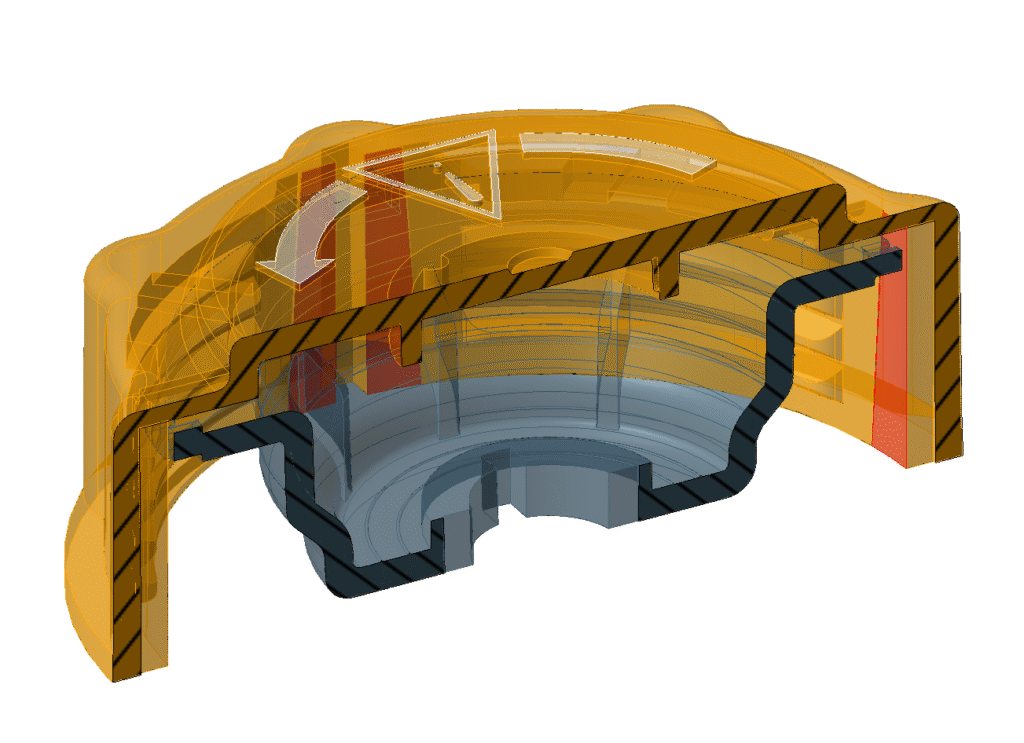
A thorough DFM review checks the part against intended material, volume, tolerances and production requirements before the mould specification is agreed. Here we consider the following:
- Number of cavities
- Tool material/steel
- Slides/lifters
- Gating strategy
- Prototype tooling
- Expected tool life
- Production requirements
However, getting a moulder involved at this stage could present an opportunity
What if mould tool manufacture has already started?
You can still involve an injection mould toolmaker, but the implications of changing the component becomes more significant once tool manufacture is underway.
If steel has already been cut, further design changes could require corresponding modifications to the physical mould tool.
Exactly what changes need to be made is relative to the project, but it could impact tooling costs and lead times which has further impacts on the overall project schedule. Changes can be made, but it demonstrates why we encourage early manufacturing involvement where possible. The earlier an issue is identified, the more options you have to address it.
So, when should I speak to an injection mould toolmaker?
As you can see, there’s no single point where you have to involve a toolmaker in product design. Depending on what stage you’re at with product development, the type of input a tooling specialist can provide will change.
We recommend introducing manufacturing expertise before the design is fully finalised. That way you have more options for introducing necessary change to improve manufacturability.
At Liondell, we can review your component design before you commit to tooling and advise on manufacturability, tooling requirements and the most appropriate route forward.
If you already have a part design you’d like us to look at, we currently provide a complimentary initial engineering review alongside our injection mould tooling quotations.