When designing plastic products and components, there is often more that needs to be considered than meets the eye. Thinking about material selection, manufacturability and prototyping as well as the eventual mould tool all influence the success and cost of the finished product.
Considering factors such as these early in the design process helps identify potential issues before significant investment is made in tooling.
If you’re currently designing a plastic product for injection moulding, this article covers some important factors involved in moving from design to successful manufacturing.
Material Selection
Different materials have varying qualities. The functionality of your part should be measured against what polymers deliver the qualities that would make your plastic component perform the best.
Designers should consider the following factors when considering materials:
- UV resistance
- Operating temperature
- Flame resistance
- Required strength or flexibility
- Surface finish and appearance
- Colour or paint requirements
Selecting the appropriate material early in the design process helps ensure the component is designed around the characteristics of the polymer it will eventually be manufactured from.
Designing for Injection Moulding
The aesthetics and appearance of a plastic part are essential when designing and developing a new component.
But there are often more factors to achieve effective manufacture than meets the eye. The injection moulding process can pose significant challenges which can be mitigated through careful and considered design. These include:
- Draft angles
- Wall thicknesses
- Gate locations
- Undercuts
- Ejection
- Potential sink marks and warpage
These features influence everything from how molten material flows through the mould to how the finished component cools and ejects.
Partnering with a UK based toolmaking team can help check against these factors and more. We’ve also found that sometimes an effective DFM can lead to cost savings on your plastic component designs by simplifying features that may not be necessary to a part’s function.
Prototyping
For new and untested plastic product designs, prototyping the part is recommended. It ensures that you get an accurate view on how your product looks, fits and behaves during manufacture.
There are a few approaches to prototyping methods:
3D Printing
3D printing is effective for testing form, fit and basic design functions. The properties of 3D printed materials may not match the properties intended for the final product. Material options and the way in which 3D printed parts are produced is entirely different to the injection moulding process.
Injection Moulding Prototype Tools
Final mould tools for your injection moulded parts are significant investments. But did you know that much simpler tools can be produced that help effectively prototype your plastic component?
While final tools focus on complex features made with higher grade steel meant to last for the required tool life, much simpler prototype mould tools can be produced at a fraction of the cost.
The largest benefit of using a prototype mould is being able to get an accurate view of how your part moulds, and being able to troubleshoot this and potentially save revision time and costs with your final mould tool.

Example of a prototype part
Tooling Requirements
The design of the mould tool itself is also worth factoring in to the component design itself, as well as checking against budget and production needs.
Mould tool features that need to be thought about include:
- Undercuts that may require slides or lifters
- Production volumes which influence cavity numbers and steel grades
- Gating
- Cooling
This could point to another reason to involve an experienced tooling team before a design is finalsed. A small change to a component at the design stage can sometimes simplify the tooling solution needed to manufacture it.
Considering expected production volumes is an essential part to the mould tool manufacturing. As a tool intended to produce relatively small quantities has very different tooling requirements than one intended to manufacture hundreds of thousands of components over its lifetime.
Where Will Your Tool Be Manufactured?
When it comes to taking a plastic product into manufacture, tooling location is another consideration. UK and overseas manufacture each offer advantages depending on the requirements of the project.
Far East tooling offers significant cost advantages. However, managing overseas tooling projects introduces additional challenges including time differences, communication, quality control, technical oversight and project visibility.
While cost is important, it is clearly not the only factor that should be considered when selecting a tooling supplier. Understanding the project management process and how progress will be communicated alongside how the finished tool will be validated is equally important.
Businesses that are looking to take advantage of overseas manufacture without having to manage those challenges directly, working with a UK-based tooling partner with established overseas suppliers can offer another option.
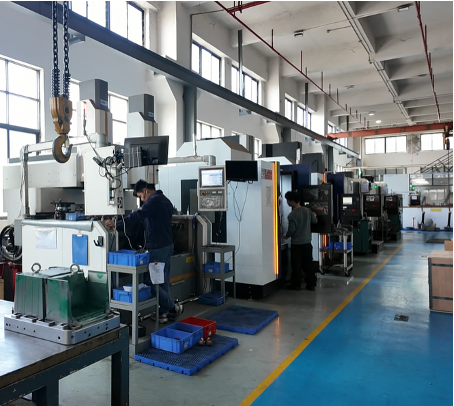
Far-East toolroom
Considering Manufacture Early
The earlier that the above factors are considering during plastic product development, the easier it is to identify potential problems before they become costly ones later.
Our experienced team at Liondell supports UK businesses through the injection mould process. Helping your company from the initial design stages through to the effective handling of your project overseas.
If you’re currently working on a injection moulded part design, we offer a free quotation with a complimentary design review. Contact us today to submit your project.