
It’s true that UK tooling has a strong reputation for quality. However, overseas tooling manufacture, particularly in the Far East, has increasingly become an attractive alternative. Manufacturing capabilities in this region have developed significantly and when projects are managed effectively, offshore suppliers can produce high-quality mould tools built to meet demanding production requirements.
We’re aware that UK-based companies are increasingly considering manufacturing tooling overseas but aren’t sure where to start. While cost can be one of the biggest attractions, there are several other factors worth considering before placing an order.
In this article, we’ll break down some important considerations when researching offshore tooling for your next project.
1. Is your project suitable for offshore tooling?
Not every tooling project will necessarily be suitable for offshore tooling manufacture.
Factors such as project timelines, tool complexity, production volumes, component requirements and your overall budget should all be considered when deciding where a mould tool should be manufactured.
For example, the potential cost savings of offshore tooling manufacture can become particularly significant for larger or more complex tools, multi-cavity tooling and projects involving multiple tools, where manufacturing can be highly labour-intensive.
Rather than choosing a manufacturing location based purely on the initial tooling price, we’d recommend considering the requirements of the project as a whole.
2. Who is responsible for DFM and the tool specification?
One challenge when manufacturing tooling offshore can be ensuring that technical information is interpreted consistently between everyone involved in the project.
Language differences can introduce opportunities for misunderstanding, while different working practices and conventions can also influence how requirements are interpreted. For a complex mould tool, even relatively small misunderstandings can result in something being manufactured differently from what was originally intended.
Your own engineering team may have the capacity to manage the Design for Manufacture (DFM) process and develop the tooling specification. However, it’s still valuable to have direct input from the manufacturer and, where appropriate, a second technical review.
Before placing an order, establish who is responsible for reviewing the component design, agreeing the tooling specification and approving any proposed changes before steel is cut.
3. How will you know what’s happening during manufacture?
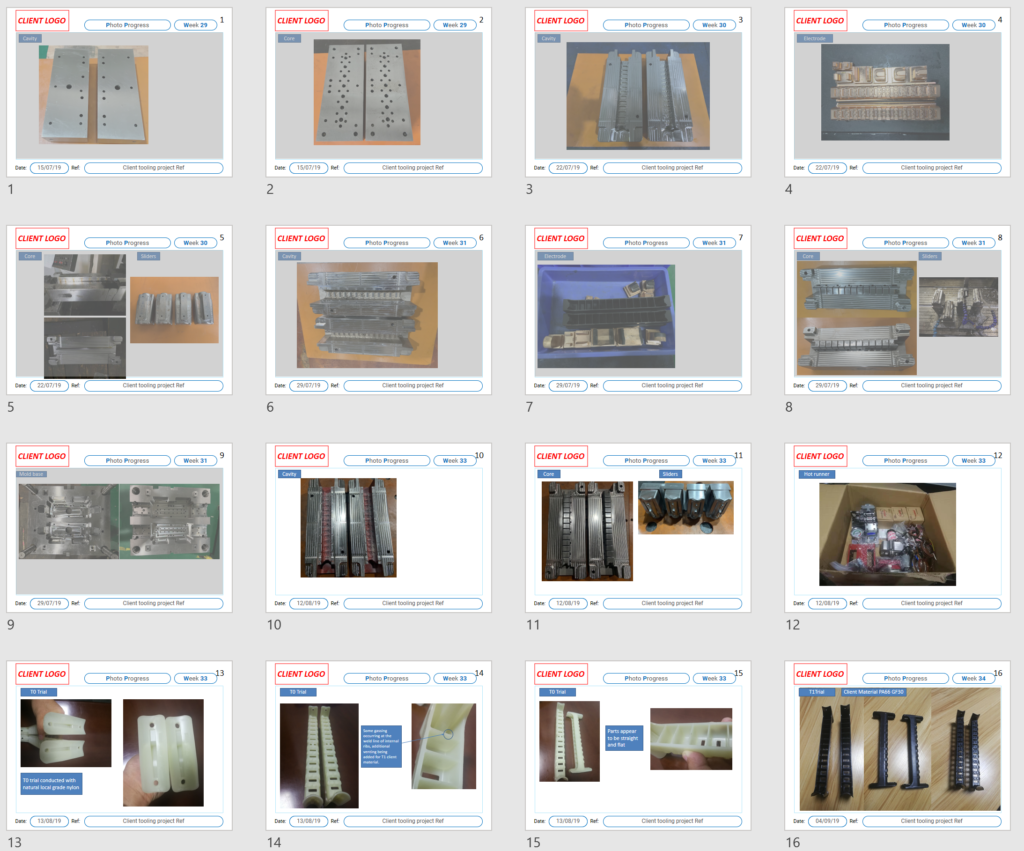
Because of the distance involved with offshore tooling manufacture, having clear visibility throughout the project is particularly important.
Unless your team is physically visiting the manufacturer, much of this communication will take place digitally through project updates, photographs, videos, drawings and technical reports. These need to provide enough detail for your team to understand how the tool is progressing and identify any issues requiring attention.
It’s worth establishing before placing an order how frequently updates will be provided, what those updates will contain and who will be responsible for reviewing them.
Transparency also helps ensure that the finished tool remains consistent with the specification originally agreed. Material certificates, progress photography and reports in addition to documented trial results all provide additional confidence that the project is progressing as expected.
Ultimately, you should have a clear answer to a simple question throughout manufacture: what stage is my tool at, and is everything progressing as agreed?
4. How will the tool be trialled and reviewed?
Different manufacturers can have different definitions of what takes place during T0, T1, T2 and T3 tool trials. Before manufacture begins, it’s worth getting an understanding of how your supplier manages its trial process and what constitutes final approval.
During trials, samples should be assessed both visually and dimensionally, while processing conditions and any required tool modifications should be properly documented.
Repeated additional trials can consume further material, machine capacity and engineering time while extending the project schedule. A structured process for identifying issues and making improvements to the tool is therefore important.
Having someone from your own team present for significant trials can provide valuable independent oversight. This also means accounting for international travel, accommodation and the time your engineers will spend away from their usual responsibilities.
If regular visits aren’t practical, consider who will provide that independent oversight on your behalf.
5. What happens before the tool leaves the supplier?
Before an offshore mould tool leaves the manufacturer, there should be clear agreement that it meets the requirements established at the beginning of the project.
This can include reviewing final trial samples, dimensional inspection results, tool operation and finish, agreed tooling specifications and any outstanding modifications. Relevant documentation should also be complete and supplied alongside the project.
It’s also worth confirming that any required spare or replacement components are available and that the tool is properly prepared and protected for transportation.
Resolving an issue while the mould tool is still with its original manufacturer is generally much simpler than discovering it after the tool has travelled thousands of miles to the UK.
6. What happens when the tool arrives in the UK?
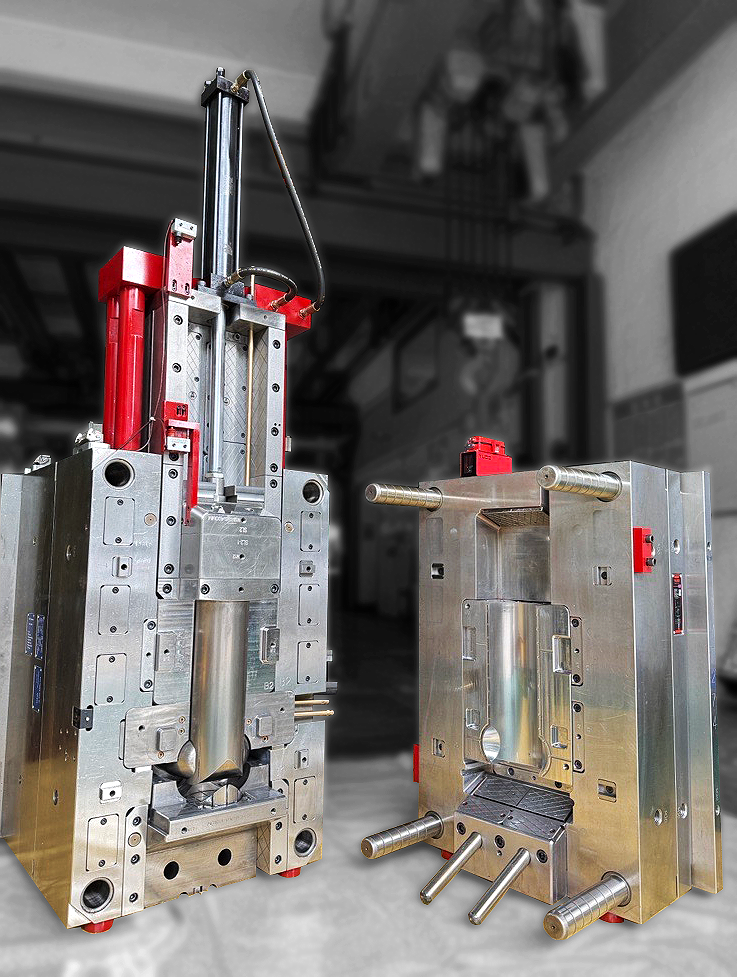
Support after delivery is something that should be established before placing an offshore tooling order.
What warranty is provided with the tool? If a fault becomes apparent after delivery, who is responsible for investigating and resolving it? Can replacement or spare components be supplied by the original toolmaker? And if modifications or repairs are required, does the supplier have a practical way of supporting you from overseas?
Tool ownership should also be clear, alongside what technical documentation and tooling data will be supplied to you.
A lower initial tooling price can become less attractive if significant costs and delays are incurred resolving problems after delivery, so after-sales support should form part of your initial supplier assessment rather than being considered once the tool arrives.
7. Should you source directly or work with a UK tooling partner?
For a business without established overseas suppliers or previous experience managing offshore tooling projects, taking responsibility for the entire process can require considerable internal resource.
Direct sourcing is certainly possible, but your team will need to consider supplier selection, DFM, tooling specification, communication, progress monitoring, tool trials, quality assurance, logistics and what happens if problems arise.
An alternative is to work with a UK-based tooling partner that already has established relationships with overseas manufacturers.
In this model, the tool can still benefit from the cost advantages of offshore manufacture, while project management and technical oversight are handled by a UK-based team. This can also provide a familiar point of contact throughout the project and reduce the amount of overseas supplier management required from your internal team.
At Liondell, this is how we manage offshore injection mould tooling projects. Our team supports projects from initial design and DFM review through tooling manufacture, trials, inspection and final delivery using our established Far East manufacturing partners.
If you’re considering offshore tooling for an upcoming project, we currently provide free tooling quotations alongside a complimentary initial design review. Get in touch with our team to discuss your requirements.
Additional Reading