When a supplier is put forward internally for an injection moulding project, there can be lingering anxiety behind the decision, even if it’s not said out loud.
‘What if this doesn’t go to plan, and it reflects on me?‘
Putting a supplier forward is more than a purchasing decision. It’s a professional judgement that carries responsibility.
With that responsibility comes a series of worries that often go unsaid, especially in the world of plastic injection moulding. Not because there’s a lack of communication, but because these concerns are assumed to be part of the risk.
Over the years we’ve seen the same questions come up again and again.
What if the project slips out of control?
When handing off an injection moulding project to a supplier, the loss of visibility can be a major source of anxiety.
A project may start clearly, with specifications agreed and timelines set. But without careful management, problems can begin to appear:
- Design reviews taking longer than expected
- Small changes gradually accumulating
- Communication becoming fragmented
Sometimes the issue is simpler than it looks. The right data isn’t always being shared at the right time.
This is where data control becomes critical.
Miscommunicated part files or revisions can cause teams to work from different versions of the same design. A good supplier will have systems in place to prevent this- often through a dedicated database that tracks revisions and documentation.
Strong project management should provide:
- Structured design reviews
- Timing plans
- Clear documentation
- Weekly Gantt chart updates
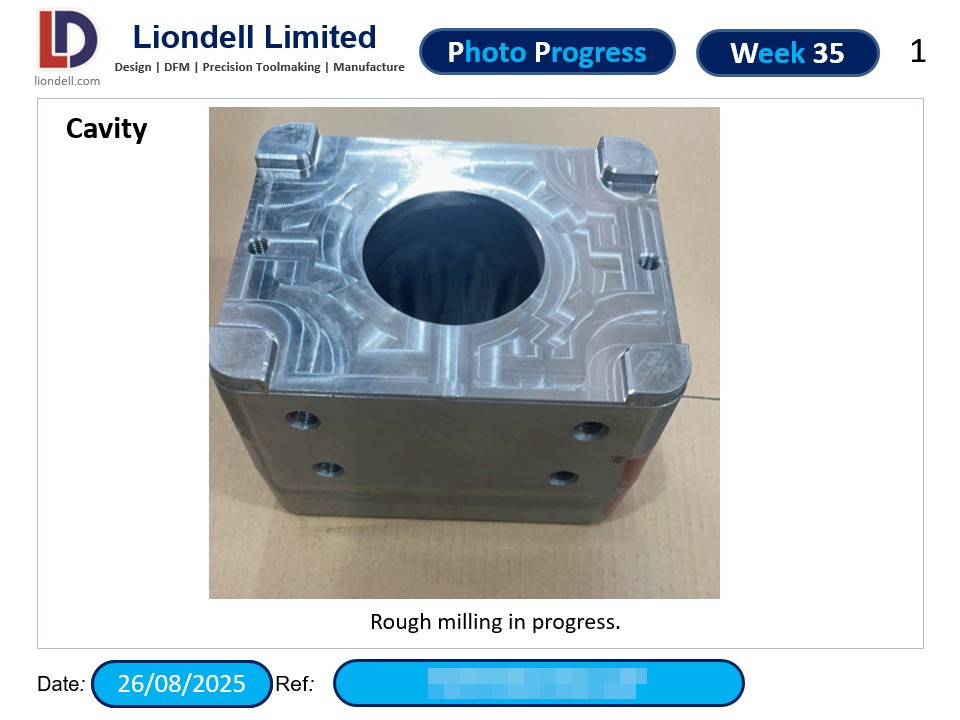
- Weekly photo progress
These processes help keep everyone aligned and maintain visibility throughout the project.
What if the injection mould tool doesn’t perform as expected?
A design intended for plastic injection moulding may look correct on paper, but the real test comes when the tool is built and trials begin.
The behaviour of plastic in a mould can expose issues that weren’t obvious earlier. Small design details can have disproportionate effects during moulding.
Naturally, this raises a concern:
How can last-minute revisions- or worse, a defective tool- be avoided?
Two things are particularly important:
- Early sampling, which provides visibility into potential problems before production begins
- A structured trial process, which helps identify issues that might otherwise only appear once production has started
These stages provide opportunities to refine the process before the tool reaches full production.
Read more about a crucial risk we come across time and time again.
What if the price is too good to be true?
Experienced engineers know that unusually low pricing can sometimes signal hidden compromises.
These might include:
- Corners being cut in the tooling specification
- Critical features being simplified
- Work being subcontracted without transparency
Clear specifications at the beginning of a plastic injection moulding project help avoid these situations.
When tooling design, materials and performance expectations are agreed upfront, there is far less room for ambiguity later.
It also means that if specifications change, adjustments to cost can be discussed transparently rather than appearing unexpectedly later in the project.
What if I go direct and miss something?
Managing injection mould tooling projects directly can seem like a simple option. But it comes with responsibilities that only time, organisation and experience can teach.
It means taking on tasks such as:
- Coordinating design reviews
- Managing communication with suppliers
- Overseeing tool trials
- Ensuring the final tool meets the original specification
It also requires knowing what to look for and where problems tend to appear.
When injection moulding projects have many moving parts ranging from design validation through to production readiness, small oversights can compound into larger problems later.
What if problems only appear once injection moulding production begins?
Even after successful tool trials, real production conditions can reveal new challenges.
Tool longevity, maintenance requirements and long-term consistency all depend heavily on how the tool was designed and specified at the beginning of the project.
Several factors influence this:
- Expected production volumes
- Material behaviour
- Machine compatibility
When tooling is designed with these considerations in mind, it becomes much easier to maintain stable production over time.
A good supplier will help define the tooling specification from the outset, ensuring these requirements are clearly understood and agreed before the project moves forward.
We’ve spoken extensively about ensuring tool design has been validated properly here.
In Conclusion
The concerns surrounding tooling projects are rarely dramatic, they’re practical.
They revolve around visibility, communication and knowing that the details have been handled properly.
In reality, every project carries some level of risk. Experience helps identify where those risks are most likely to appear, and how they can be addressed early.
Sometimes the most valuable part of a project isn’t simply building the tool.
It’s recognising the problems before steel is cut.
Related Reading